







 FUE
FUE DHI
DHI No-shave
 Afro
Afro Female
 Beard
Beard Eyebrow
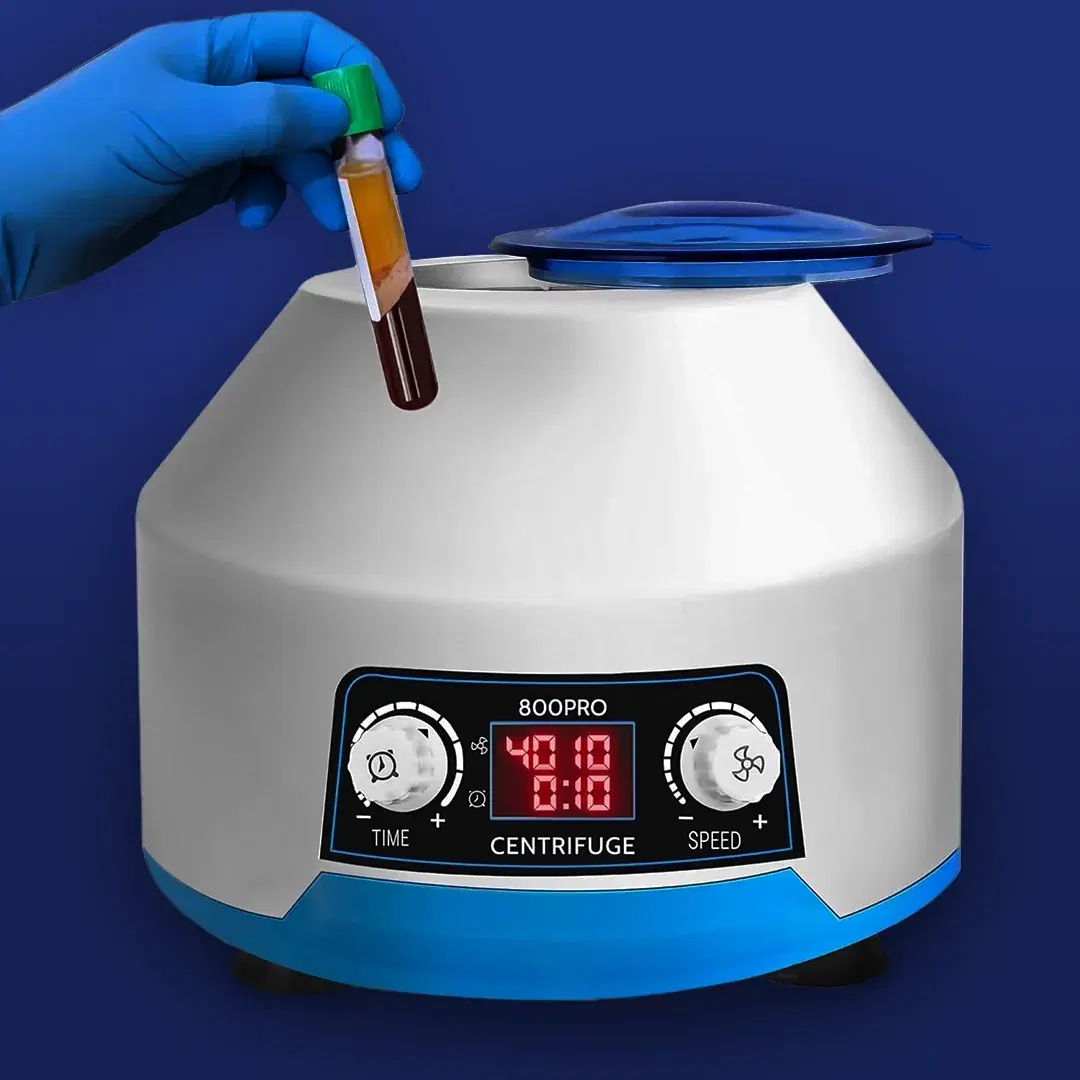
 PRP
PRP Mesotherapy
 Stem-cell
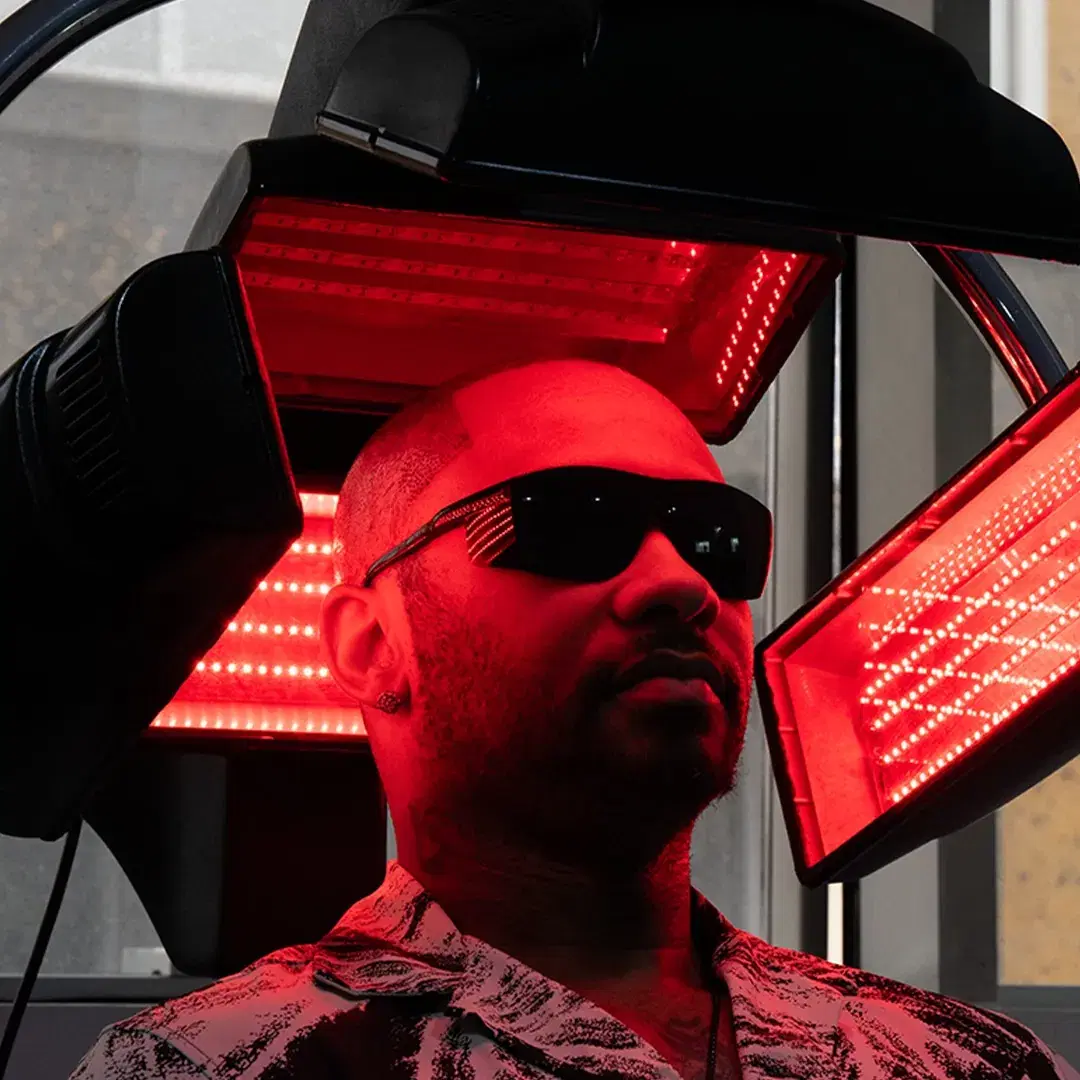
 Red-light-therapy
 Ozone-therapy



Things to Know Before Getting a Hair Transplant Turkey
Before booking a hair transplant Turkey, you should know your donor capacity, expected graft number, hair loss pattern, technique, recovery schedule and long term goals. But since a transplant moves existing follicles, not new ones, donor hair needs to be handled with care.
Competition may exist for a limited number of grafts between the crown, mid-scalp and frontal area. Future thinning should also be considered before finalizing the design. Travel arrangements are important as early recovery requires gentle washing, protected sleeping and limited physical activity. There should be a clear plan that clarifies what will be treated now and what may need to be dealt with later.
Who is Eligible for a Hair Transplant Turkey?
Typically, a good candidate for a hair transplant would have stable donor hair, a recognizable pattern of thinning, healthy scalp tissue and realistic expectations about the final density.
The donor area should have enough strong follicles to support the desired recipient zone. Surgery may not be the best first step if you start losing your hair early on. The pattern should be well enough understood that a hairline should not be created that can be isolated later. Careful donor evaluation is also necessary in diffuse thinning because weakness may extend beyond the visible recipient area. Suitability is based on the ratio of the required coverage to the amount of donor hair available.
What Is Donor Hair Evaluation Before Surgery?
Donor hair is assessed for density, hair shaft caliber, follicular unit composition, scalp coverage, and stability of the posterior and lateral areas. The aim is to estimate the number of grafts that can be removed before visible thinning occurs. Fine hair might not have as much visual coverage as coarse or curly hair. The final outcome is also affected by the number of hairs present in each follicular unit.
Donor planning should be conservative as follicles taken out do not regenerate in the donor area. Therefore, a successful Turkey hair transplant begins with preservation, not necessarily the highest number of grafts.
What’s the Difference Between FUE and DHI in Turkey?
FUE and DHI are mainly different in the stage of implantation, however both techniques can use individual follicular extraction from the donor area.
In FUE procedures, recipient channels are typically made prior to placement of extracted grafts.
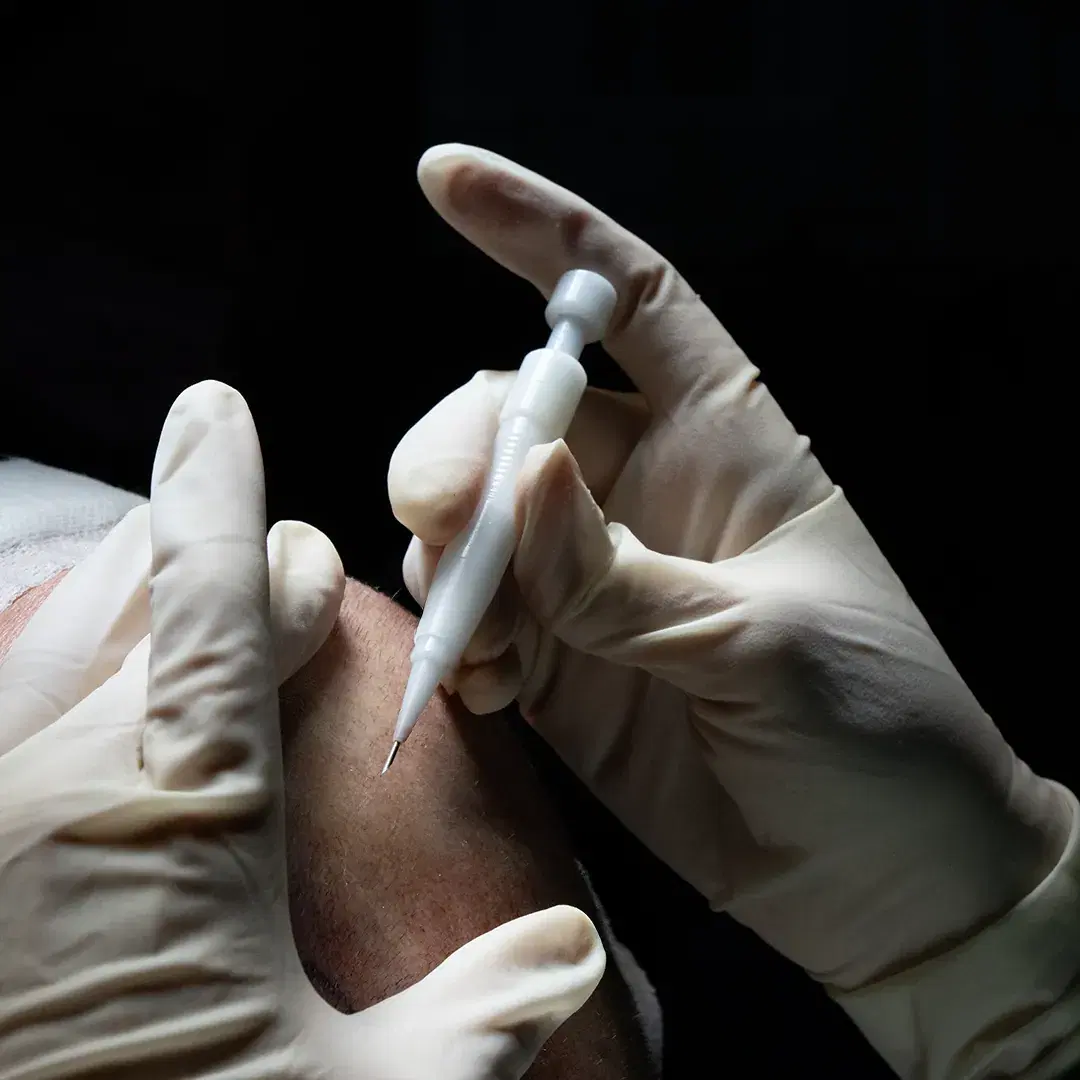
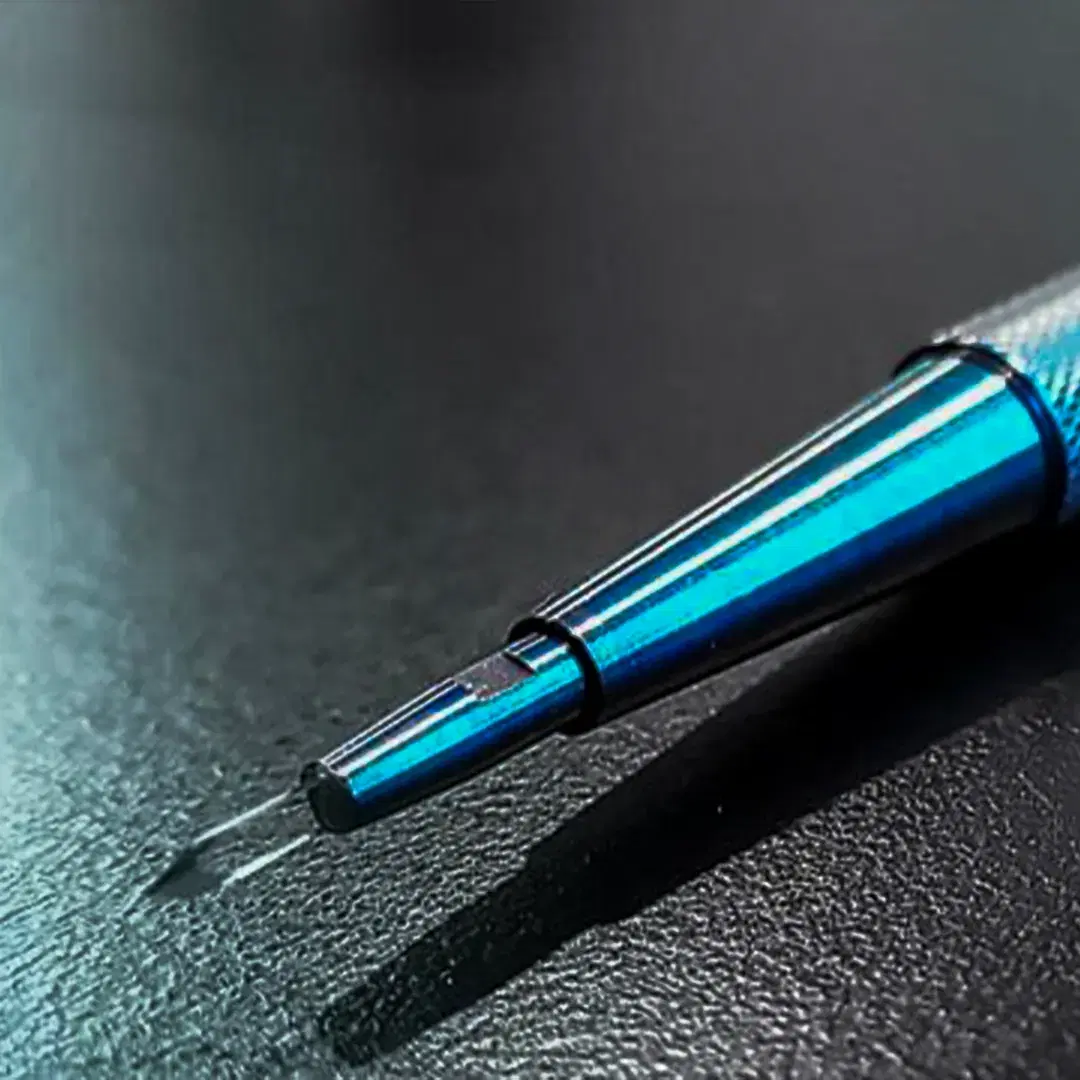
DHI uses an implanter device to place grafts directly and control depth and direction.
FUE can be used to efficiently manage large areas requiring diffuse graft placement.
DHI can be useful for selective placement in existing hair or smaller areas.
Both techniques can yield natural results. The difference is in the distribution of the grafts, not in assuming that one technique is automatically better.
What's the Best Hair Transplant Technique for Large Areas?
FUE is frequently applicable for large recipient areas as extensive channel planning can arrange many grafts across the frontal scalp, mid-scalp and crown. Big restoration cases require efficient distribution not dense implantation in one section. Channels that are pre-built can be used to create a uniform pattern over a large surface.
DHI also enables larger areas to be treated, but individual implantation can be more labor intensive. Donor capacity remains the determining factor. In treating a large bald area it is better not to aim at a very dense result at the cost of exhausting the donor region and leaving no reserve for future progression.
What Happens in a Hair Transplant Turkey?
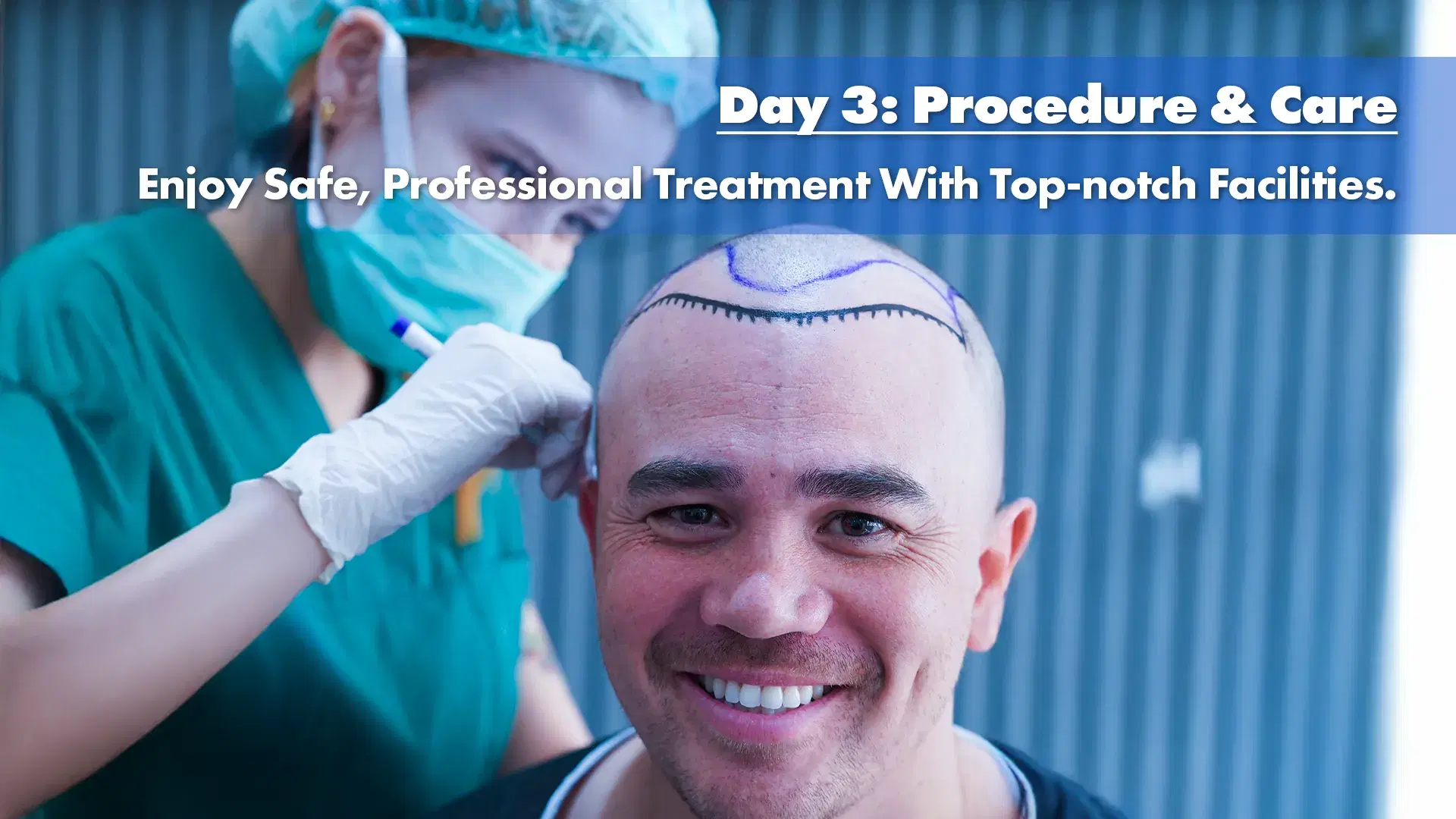
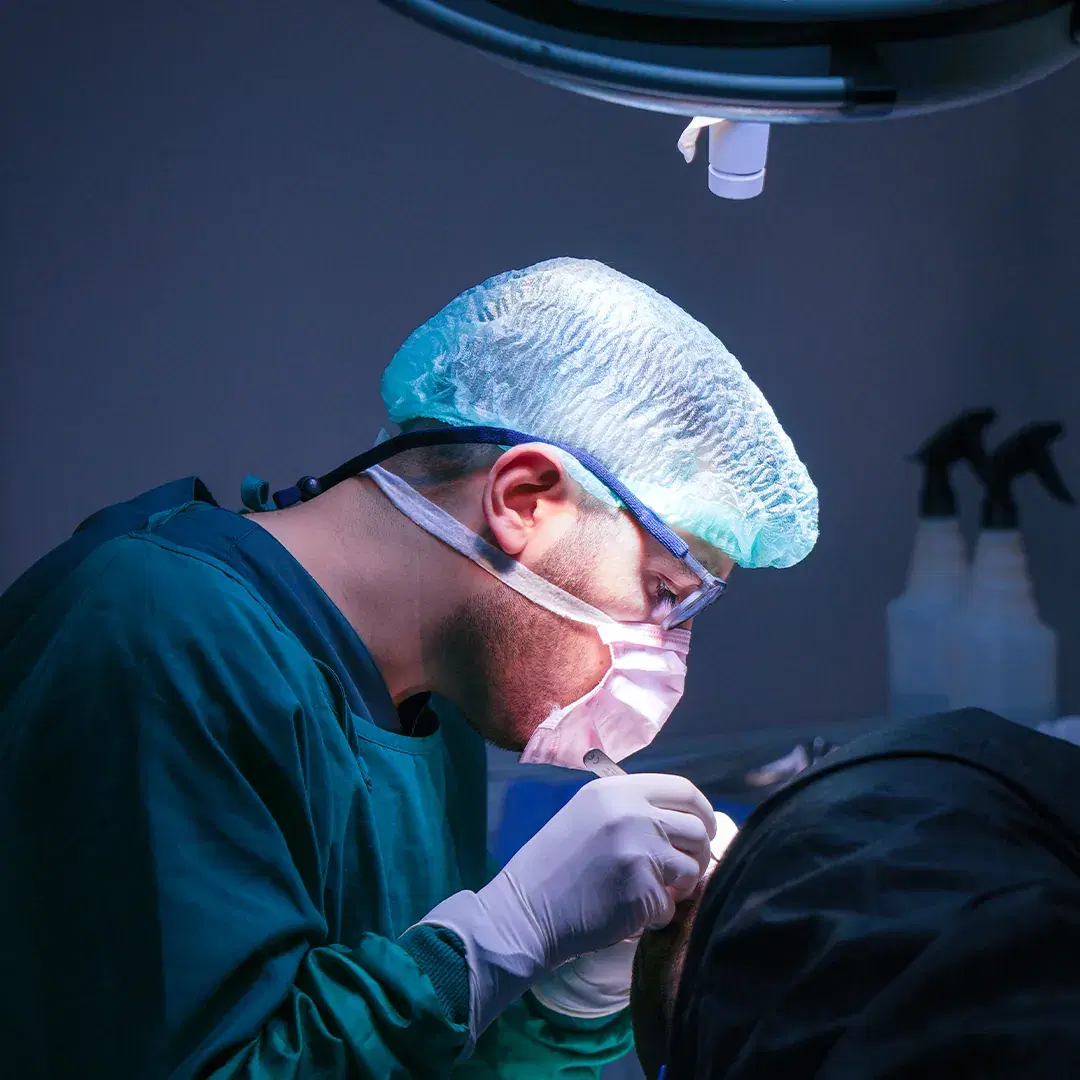
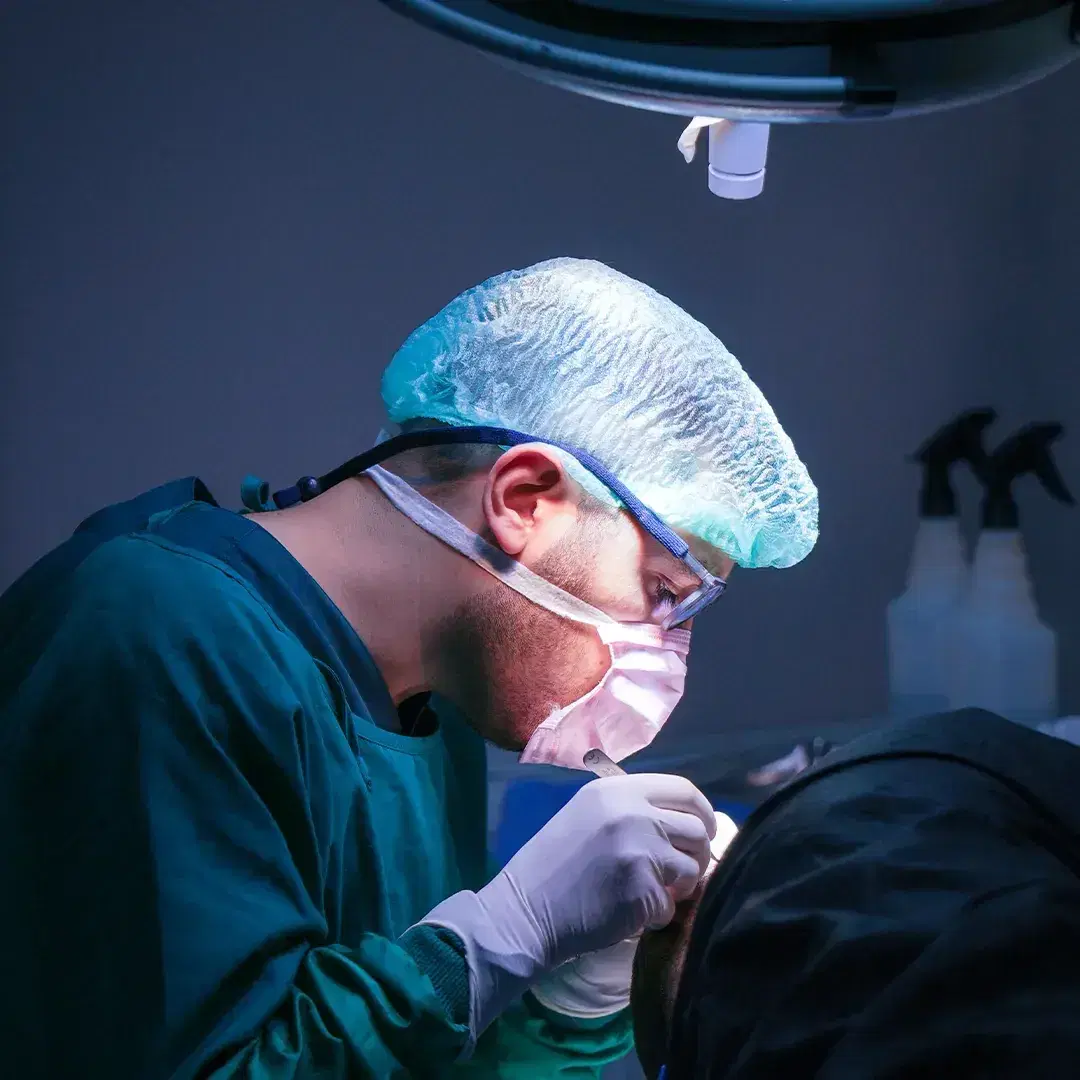
The hair transplant procedure involves hairline confirmation, local anesthesia, donor extraction, graft preparation, recipient planning, implantation, and post-procedure instructions.
The donor area is prepared first so that follicular units can be taken one by one. These grafts are then protected while the recipient area is mapped for direction and density. Depending on the technique, channels are opened before implantation or grafts are inserted through an implanter device. The patient is normally awake during the procedure. As thousands of follicular units can be handled, the procedure generally comprises several carefully organized phases.
How Long Should You Stay in Turkey?
Most international patients benefit from a several day stay so the procedure, early scalp care, first washing and immediate recovery can be done without rushed travel. The first few days are all about protecting the grafts from rubbing, impact and unnecessary pressure.
Being close by makes it easier to manage early aftercare before coming home. A short recovery time also means less stress from airports right after surgery. The actual trip can be relatively short but same-day departure is usually less comfortable. When planning travel, priority should be given to recovery rather than trying to fit the procedure into the shortest possible visit.
Can I Fly After Hair Transplant Surgery in Turkey?
Generally, it is possible to fly after a hair transplant, if the patient is medically stable and can protect the scalp during travel.
The problems are not so much pressure on the aircraft as practical problems such as crowded airports, luggage, fatigue, accidental contact with the grafts. During the first days the scalp may be tender and swollen. Loose clothing and manageable luggage make the trip easier. If tight hats are not specifically permitted, they should not be used to hide the procedure. Some time to recover and fly back is more comfortable.
When Will My Hair Grow Following a Turkey Hair Transplant?
After the first shedding phase, the transplanted hair typically will start to grow noticeably and the density will improve gradually over the next few months. Many of the transplanted hairs are lost in the first few weeks while the follicles are still under the skin.
New strands emerge gradually, not all at once. Early hairs might be thin, soft or uneven before getting stronger. Visual convincingness of frontal areas can also appear before the crown, which often matures slower. Hair growth should therefore be assessed over a long time line. Early photos rarely show the final thickness or texture of the transplanted area.
How Long Do The Hair Transplant Results Last?
The results of hair transplantation can be permanent, because the follicles are usually taken from areas of donor hair that are resistant to the miniaturization that affects genetically sensitive areas of the scalp.
These transplanted hair follicles generally maintain many of the features of the original location. But surrounding natural hair can continue to thin over time. This means that the general appearance may change even if transplanted grafts are healthy. Future recession, therefore, should be part of long-term planning, not just current bald areas. Natural hair loss continues down the road and further restoration may be needed. It’s important to preserve donor reserves especially for younger patients.
What Factors Make a Hair Transplant Look Unnatural?
A hair transplant can look fake if the hairline is set too low, too straight, too dense in the front, poorly angled or disconnected from surrounding hair. If thick multi-hair units dominate the first row, incorrect graft selection can also create an artificial edge.
The lack of direction is most noticeable when the hair is short or pulled back. Another problem is over-grafting a site and under-planning the surrounding areas. Natural results are transition, variation and balanced density. The transplant should mimic the way hair grows, not just fill in all the blanks with as many grafts as possible.
What Not to Do When Selecting Hair Transplant Treatment in Turkey?
Don’t base treatment on the lowest price, biggest graft promises, loudest marketing or guaranties that don’t take donor limitations into account.
Trouble signs include:
Charges of unlimited grafts
Hairlines very low, with no long term plan.
Uncertainty about who performs the procedure
No mention of donor protection
Guarantyd density for each hair type
Minimal explanation of future hair loss
No planned aftercare
Reserve Now Pressure
A good treatment plan should articulate limitations as well as benefits. Realistic planning preserves the appearance as well as the remaining donor hair.